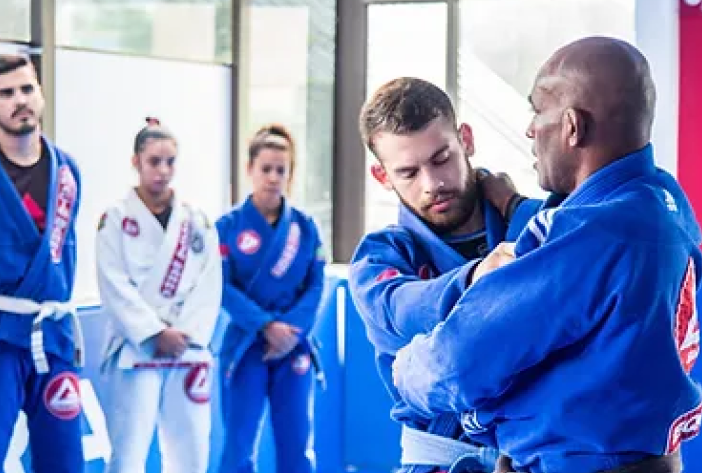
Turn a Sticking Point Into a Clear Question
Good BJJ questions begin with something you noticed during practice. Perhaps you remember the demonstration but lose track when it is your turn. You do not need the correct name for every position before asking for help. At Gracie Barra Citrus Park Tampa, we want you to bring those uncertainties into the learning process.
A useful question gives us a starting point: what you were trying to do, where you became unsure, and what happened next. Three simple steps can help you move from feeling confused to knowing what to practice: notice the gap, describe it clearly, and check the answer with your partner.
DISCOVER Gracie Barra Citrus Park Tampa
CLICK HERE1. Notice Where Your Understanding Stops
Before deciding that a whole technique makes no sense, look for the first point you cannot explain. Did you forget the starting position? Can you follow the sequence but not understand its purpose? These are different learning problems, and they lead to different BJJ questions.
Separate the Goal From the Movement
You might remember where a hand goes without knowing what that contact is meant to accomplish. Asking about the goal can be more useful than requesting the entire demonstration again. Our explanation of Jiu-Jitsu fundamentals and positional goals can help you recognize that distinction.
For example, you could say, “I remember this part, but what am I trying to control before I continue?” That identifies a gap in understanding without guessing at a correction. You also give us a chance to explain the purpose before adding more details.
2. Make Your BJJ Questions Specific
“Why does nothing work?” describes frustration, but it leaves many possibilities open. Specific BJJ questions narrow the problem to something we can observe. You are not expected to diagnose the mistake yourself; simply describe the moment when the movement stopped making sense.
Give the Starting Position and the Problem
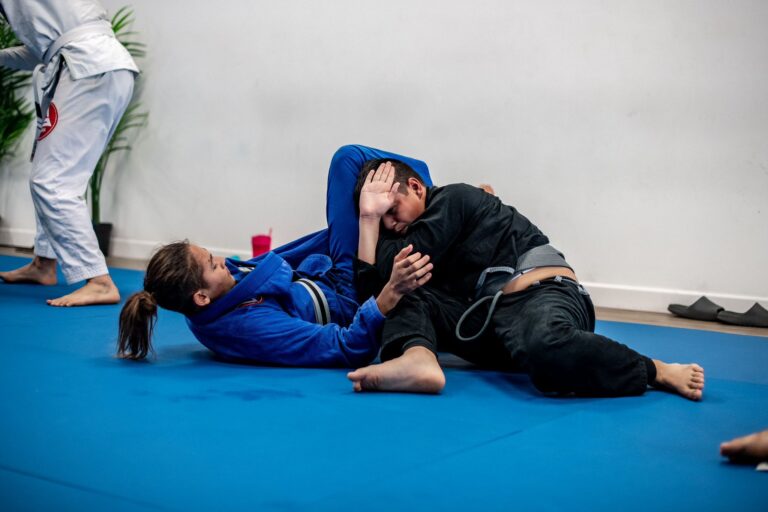
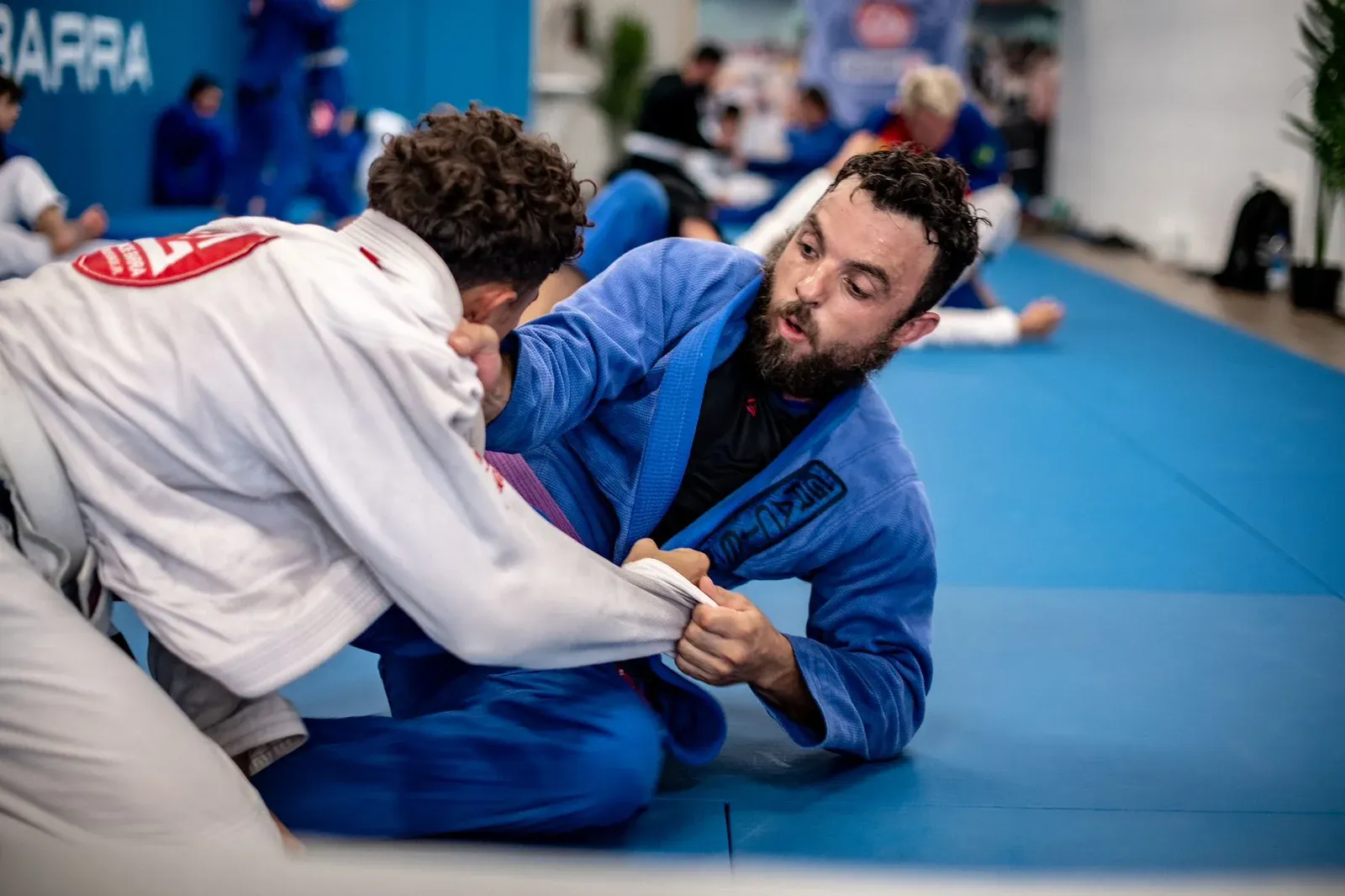
Try explaining who was on top, what you attempted, and where you stopped. If you do not know a position’s name, ask whether you can show the starting point. Mention the training format, too: Gi and No-Gi practice use different gripping options, so that context matters.
A question such as “From this position, I lose track after the first movement; could you watch that part?” invites a focused explanation. It also avoids turning a brief exchange into a request to review everything you have learned.
Ask for One Useful Cue
Once we explain the issue, ask what to pay attention to on your next attempt. UK Coaching recommends checking understanding through questions and observed practice. Applied to BJJ questions, that means making sure you can recognize the correction rather than collecting another explanation you cannot use.
When asking for help, leave room to check what you heard. You might say, “So this is the detail I should notice first?” and point to the relevant part of the position. If you misunderstood, we can clarify it before you spend the next few repetitions practicing something different.
3. Check the Answer Through Partner Practice
The next repetition gives you a chance to see whether the answer made sense. At Gracie Barra Citrus Park Tampa, we encourage you to connect BJJ questions with the exercise being taught. Follow our instructions about the starting position and pace, then try the part we clarified before changing anything else.
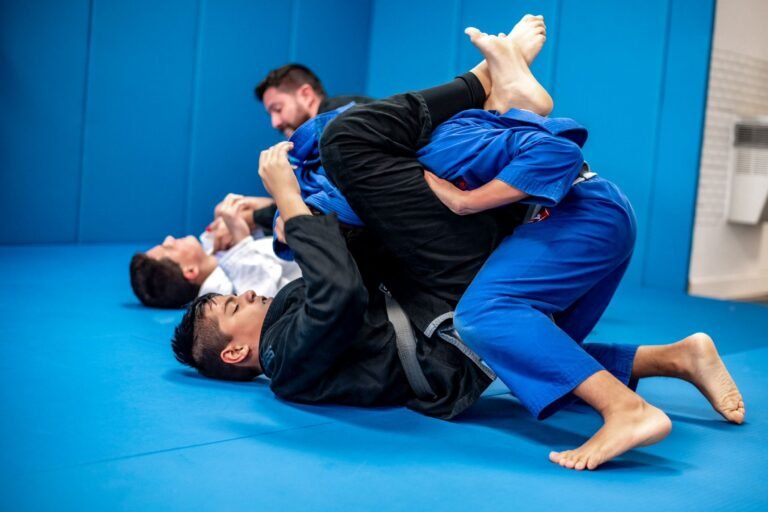
Your partner can help by returning to the same starting point and giving you room to work through the assigned sequence. Take turns so both people can explore their questions. If either of you is unsure about the correction, ask us together rather than trying to settle a technical disagreement yourselves.
During partner practice, distinguish an observation from an instruction. “That attempt felt different from the previous one” gives your partner something to consider. It does not claim to explain why. Leave technical corrections to the instructor, especially when both of you are learning the position for the first time.
This cooperation gives the exchange a shared purpose. You learn how your partner prefers to communicate, and your partner learns that you will listen and take their practice seriously. Those small, reliable interactions can build trust and make it easier to get to know each other over time.
Choose the Right Moment for BJJ Questions
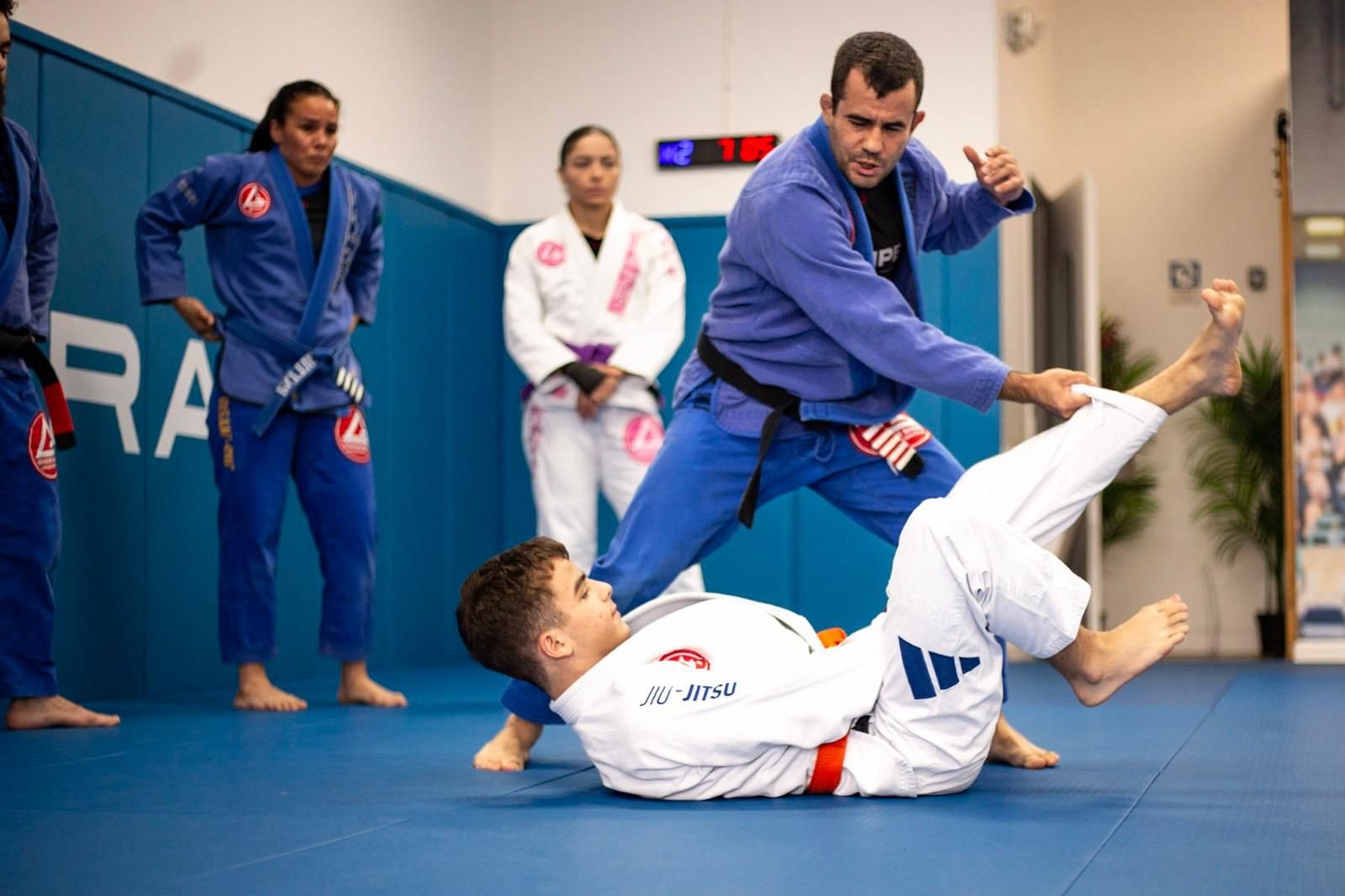
Useful BJJ questions also need an appropriate moment. During a demonstration, watch the complete explanation before deciding which detail is missing. During partner practice, pause the exercise when something is unclear and follow the instructor’s direction for getting help. You do not have to keep moving while guessing.
If several people need attention, keep your first question focused. A recurring issue that requires a longer explanation may be something to discuss after class. Our individual instruction options can also be relevant when you want to explore a particular difficulty in more detail; ask us what fits your needs.
Use One Correction in Your Next Class
Imagine that you asked us to watch the beginning of a movement and received one detail to notice. After class, write that detail in your own words, along with the position where it applies. This turns your BJJ questions into a short record you can revisit, rather than a list of unrelated techniques.
When that situation appears again, see whether you recognize the detail sooner. If not, bring back the same question with the new information. A training routine you can maintain creates opportunities to revisit an explanation and notice what still needs clarification.
DISCOVER Gracie Barra Citrus Park Tampa
CLICK HEREYou Can Learn Before You Know All the Terms
Asking BJJ questions is a skill you can develop while learning the movements themselves. A clear description of what confused you is enough to begin. Progress may first look like recognizing a familiar problem or understanding why a correction matters, even before you can apply it consistently.
At Gracie Barra Citrus Park Tampa, we are here to help you find that next point of understanding. Contact us to try your first class and meet our team. Bring your curiosity; you do not need to arrive with all the answers.